

LETTER TO ICE: He Entered Legally and Married a U.S. Citizen, Why Is He Detained By ICE?
Behind every immigration case is a real person. A real family. This is a letter from Andrey Kalyakin currently held at the Winn Correctional Center in the custody of ICE.

By Andrey Kalyakin | August 4, 2026
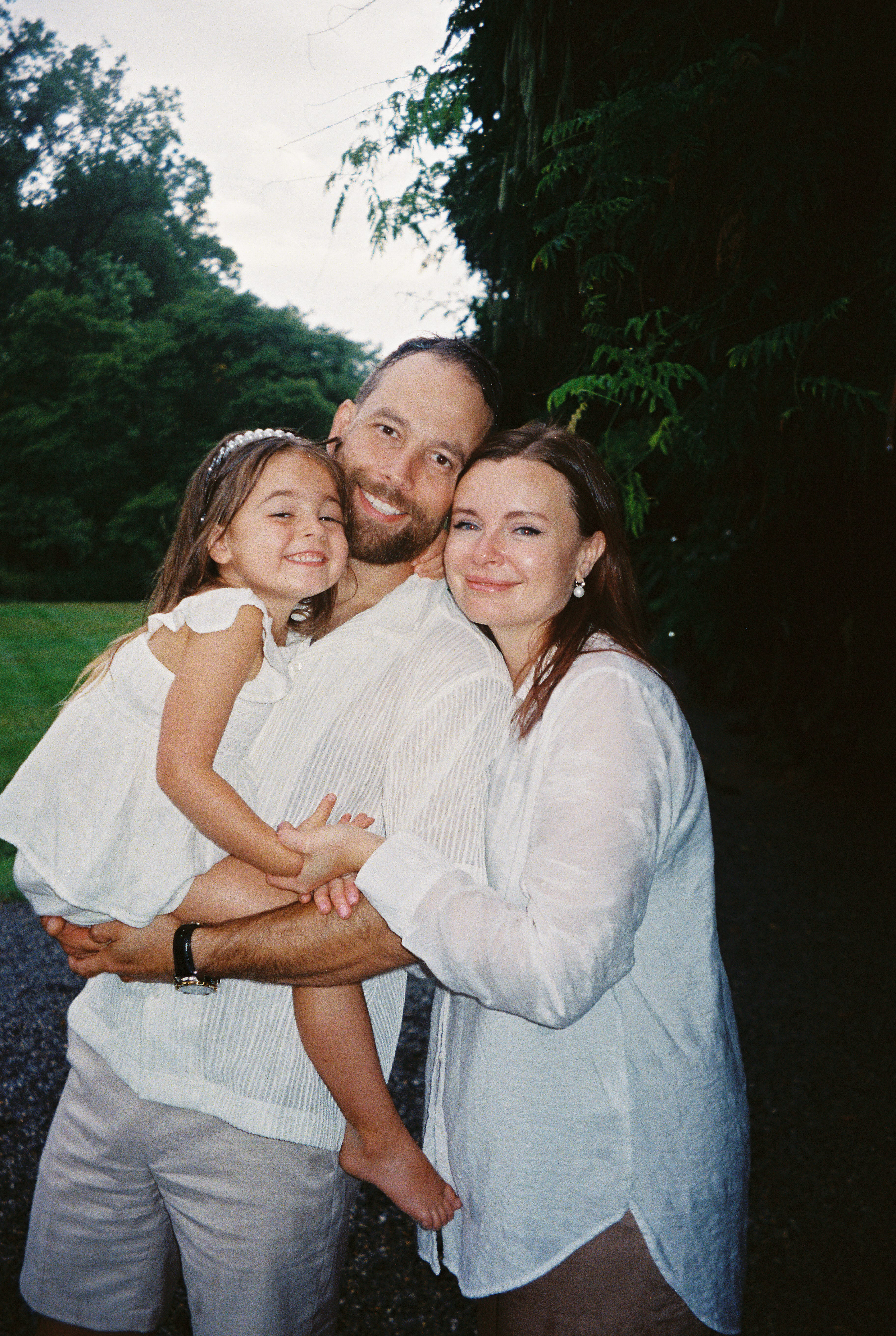
WINN CORRECTIONAL CENTER— My name is Andrey Kalyakin.
I entered the United States legally on a J-1 exchange visitor visa more than sixteen years ago. Over the years, I built my life here, worked, paid taxes, supported my family, and contributed to my community. I am not a criminal. I have never been convicted of a crime. Even ICE’s own records state that I have no criminal history and no outstanding warrants.
Before my detention, I worked in the cell tower industry. My job helped build and maintain communications infrastructure, including FirstNet, the nationwide network used by first responders during emergencies. Safety was a major part of my work. I served as a safety instructor and conducted more than 100 safety training sessions, helping protect workers and promote safe practices throughout the industry.
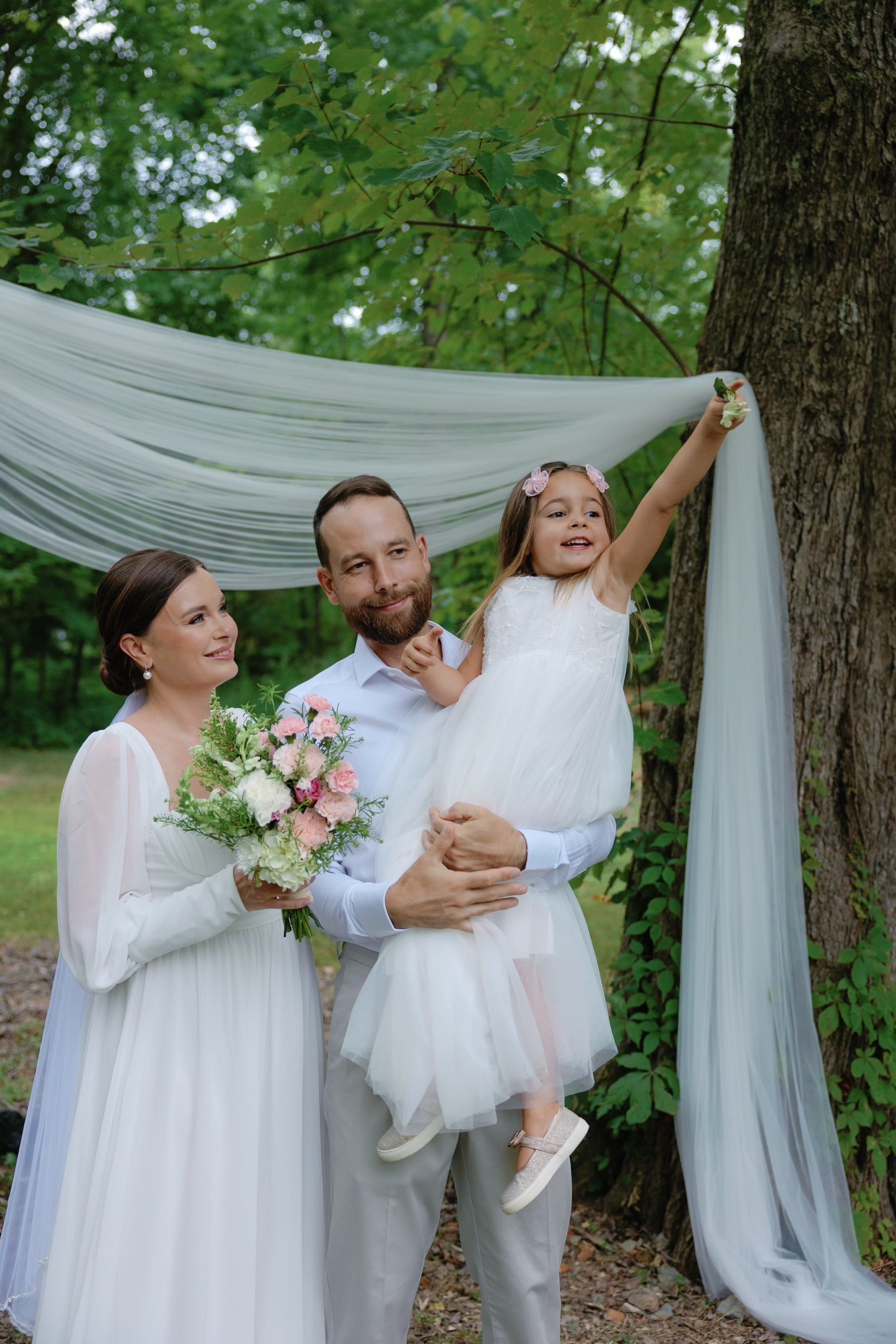
On July 19, 2024, I married my wife, Sofia Karunenko, a U.S. citizen. Together we are raising our six-year-old daughter, Emily.
In August 2025, my wife filed Form I-130 for me, and we also filed my Form I-485 so I could become a lawful permanent resident. We chose to follow the legal immigration process and do everything the right way. As part of that process, I voluntarily submitted my fingerprints, photographs, biometrics, my home address, and every piece of information requested by the U.S. government. We paid all required filing fees and fully cooperated because we wanted to resolve my immigration status legally.
While those applications were still pending with USCIS, I was detained by ICE on March 11, 2026, during a traffic stop while I was traveling for work.
I had two bond hearings.
The first request was denied because my proposed bond sponsor was not considered an immediate family member.For the second hearing, my U.S. citizen wife became my bond sponsor. Even then, bond was denied solely because the judge believed that my more than fifteen years of unlawful presence meant I might not appear for future court hearings.
The judge never found that I was dangerous.
My wife is a U.S. citizen. My daughter is a U.S. citizen. I had lived at known addresses for more than sixteen years. I had no criminal history, pending immigration applications, and had fully cooperated with the government throughout the immigration process. Still, I remained in detention.
I was also supported by my community. The Immigration Court received more than twenty letters from friends, neighbors, coworkers, members of my triathlon community, and even the director and teacher from my daughter’s daycare. They know me personally. They believed I would appear for every hearing if I were released.
Before I was detained, I worked every day and supported my family.
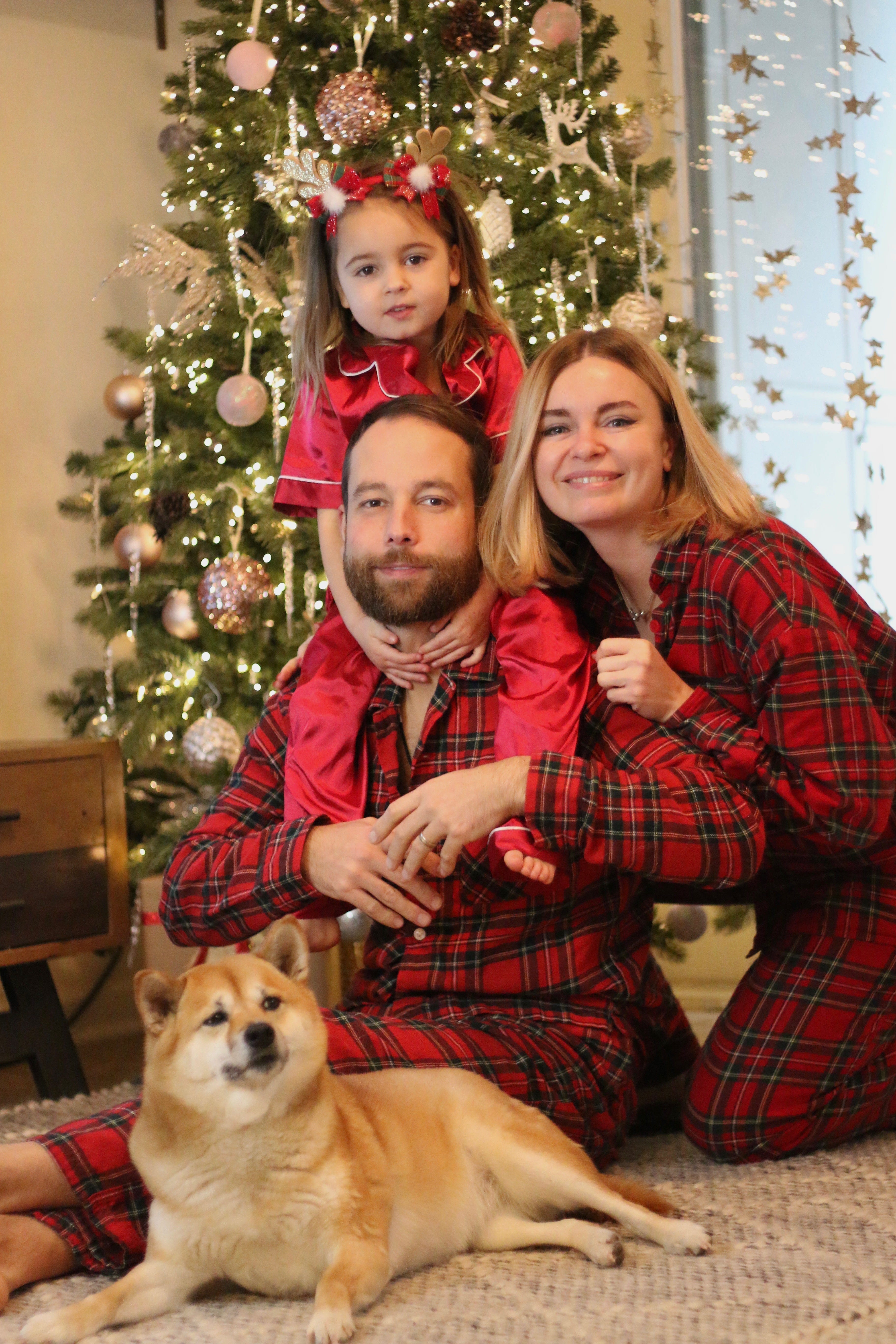
Now my wife has to do everything by herself. She is raising our daughter, working, paying the bills, handling our legal case, and trying to keep our family together.
The stress has taken a serious toll on her. She developed panic attacks and depression and is now receiving treatment and taking prescribed medication.
Our daughter has suffered too. She earned a place on a competitive gymnastics team, something she had dreamed about for a long time. Because of the financial hardship caused by my detention, we could no longer afford it, and she had to give up that dream.
Our family has already spent more than $20,000 on legal fees, and the costs continue to grow. We are now facing the possibility of selling our family car just to keep paying our bills and legal expenses.
I also want to talk about what I have personally witnessed inside
Winn Correctional Center.
These are not isolated incidents. I have lived there every day for months. What I’m describing isn’t one bad day or one bad officer. These are ongoing problems that affect many detainees.
One morning we were served spoiled milk at breakfast. Several detainees became ill after drinking it.
Instead of investigating what happened, management told us the expiration date on the milk cartons was still valid and said there was nothing to complain about.
The food is poor in general. Meals contain very little protein, a lot of bread and processed carbohydrates, and almost never include fresh fruits or fresh vegetables.
Just this week, nearly 100 detainees submitted written requests directly to ICE asking for better nutrition, including more protein and access to fresh fruits and vegetables. ICE responded that there was nothing they could do and told us to direct our concerns to the officers working in the kitchen.
But the kitchen officers don’t decide what food is served. Those decisions are made by the facility’s management. Instead of solving the problem, responsibility was simply passed from one authority to another.
Medical care is one of the biggest problems inside the facility.
It often takes days before anyone responds to medical requests.
Nurses frequently dismiss detainees’ complaints without properly evaluating them.
During the time I have been detained at Winn Correctional Center, two detainees have died. One of them died after suffering a heart attack.
After his death, I submitted a written request asking the facility to install AEDs in the housing units so people could receive lifesaving help during future emergencies.
Nothing changed.
Another serious problem is the drinking water.
The tap water is often brown when it comes out of the faucet.
This is the water detainees are expected to drink because bottled drinking water is only available if you can afford to buy it from the commissary.
I suffer from kidney stones, and during my detention I have experienced more frequent kidney stone episodes, which I believe have been made worse by the poor quality of the water.
Cockroaches are common throughout the facility. I have seen them in the kitchen where food is prepared and inside the housing units where detainees live.
Many detainees wait months after submitting requests for replacement clothing, shoes, towels, hygiene supplies, and other basic necessities. Many requests receive no response at all.
The grievance process rarely leads to meaningful changes.
Officers also frequently threaten detainees by saying they will send them to Cypress, the segregation unit. The threat alone creates fear because everyone knows the conditions there are much harsher.
I also want people to understand that many of the men detained with me are not violent criminals.
Many have no criminal history at all.Some are asylum seekers who were legally authorized by the U.S.
government to work while waiting for decisions on their
immigration cases. They worked, paid taxes, supported their
families, and followed every rule they were given.
Yet many spend months or sometimes even years in immigration detention, unable to work or provide for their families.
One of my friends spent many months in detention before finally being released with an ankle monitor. After his release, he could not return to work because his employment authorization and identification were taken from him. Even though he continued to follow the immigration process, he could no longer support himself or his family.
Living in detention is difficult in ways most people cannot imagine.
Every day I worry about my wife and my daughter. My daughter is growing up without her father, and my wife has been forced to carry the entire burden on her own.
Many detainees are afraid to speak publicly because they fear retaliation or worry it could affect their immigration cases.
I’m speaking because I believe people deserve to know what life inside an immigration detention center is really like.
Behind every immigration case is a real person. A real family.
Children waiting for their fathers. Wives waiting for their husbands. People who worked, paid taxes, contributed to their communities, and simply want the chance to complete the legal process.
I’m not asking for special treatment.
I’m asking for humane living conditions, proper medical care, safe food, clean drinking water, dignity, due process, and a fair opportunity for people to complete their immigration cases without unnecessary suffering.I hope that by sharing my story, people will better understand the human cost of immigration detention. I also hope it brings attention not only to my case, but to the conditions faced every day by hundreds of people detained at Winn Correctional Center.